


The Region
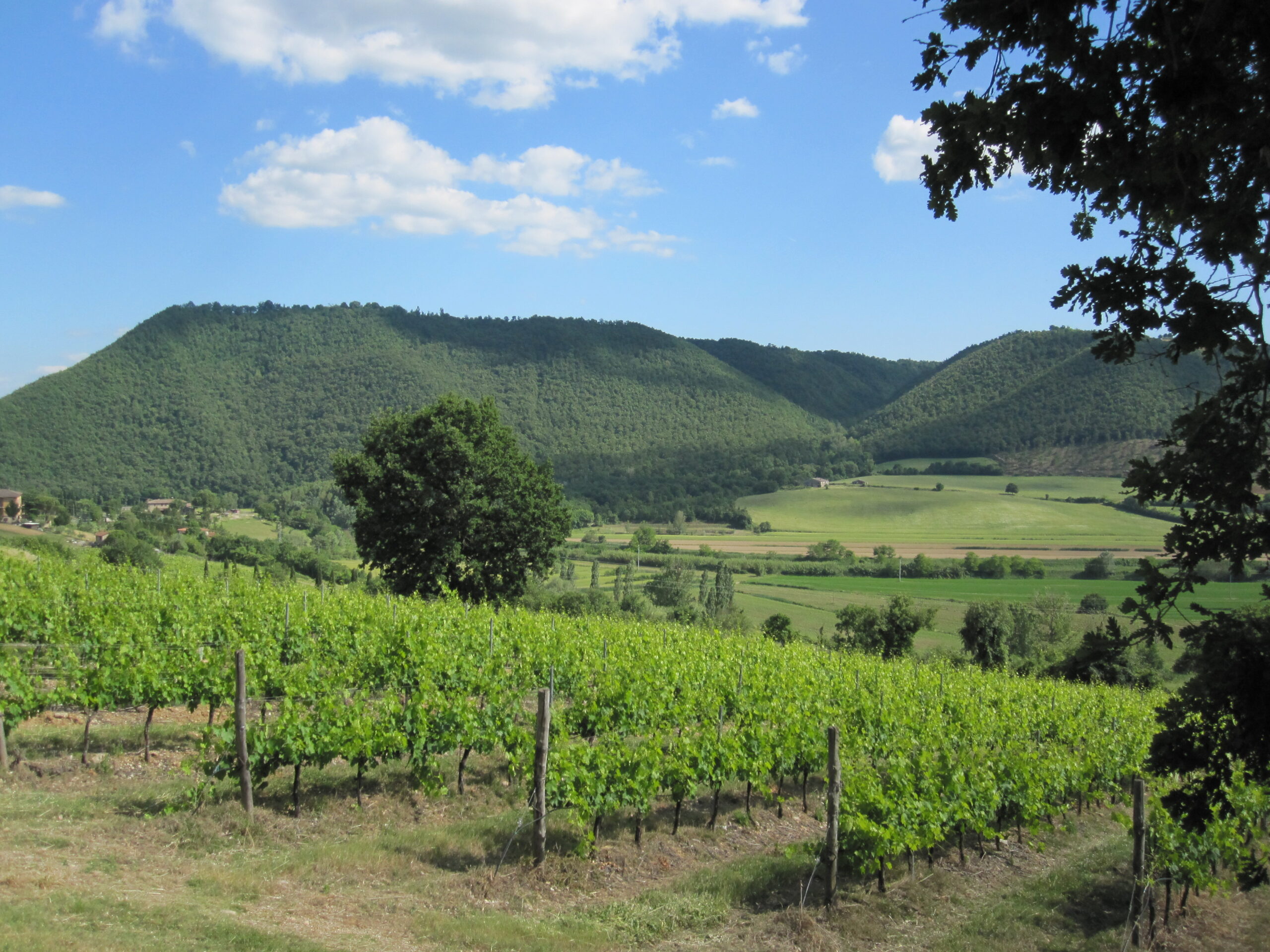
Among the Italian regions, Umbria, far from the sea and enclosed by the Apennine hills, is perhaps the least known to the masses of foreign tourists who invade Italy each year, mainly attracted by its sunny beaches. The hilly and mountainous nature of the territory and its lack of access to the sea, which make internal and external connections difficult and strenuous, are also factors that have strongly influenced the history and social and cultural evolution of the population over the centuries, as well as the unique characteristics of the historic architecture that we can still observe and appreciate in towns and villages. For these same reasons, compared to other Italian regions, Umbria shows less evident alteration of its original historical features caused by the rapid changes of contemporary society.
All this makes the region particularly attractive to visitors interested in a deeper understanding of the area, beyond mere sightseeing.
Fabro is a small village in the western area of Umbria. In the nineteenth century, it consisted of a few homes clustered around a medieval castle, of which only a few ruins remain, situated, like all ancient villages, atop a hill for better defense against hostile invasions and the malaria that infested the marshy lowlands.
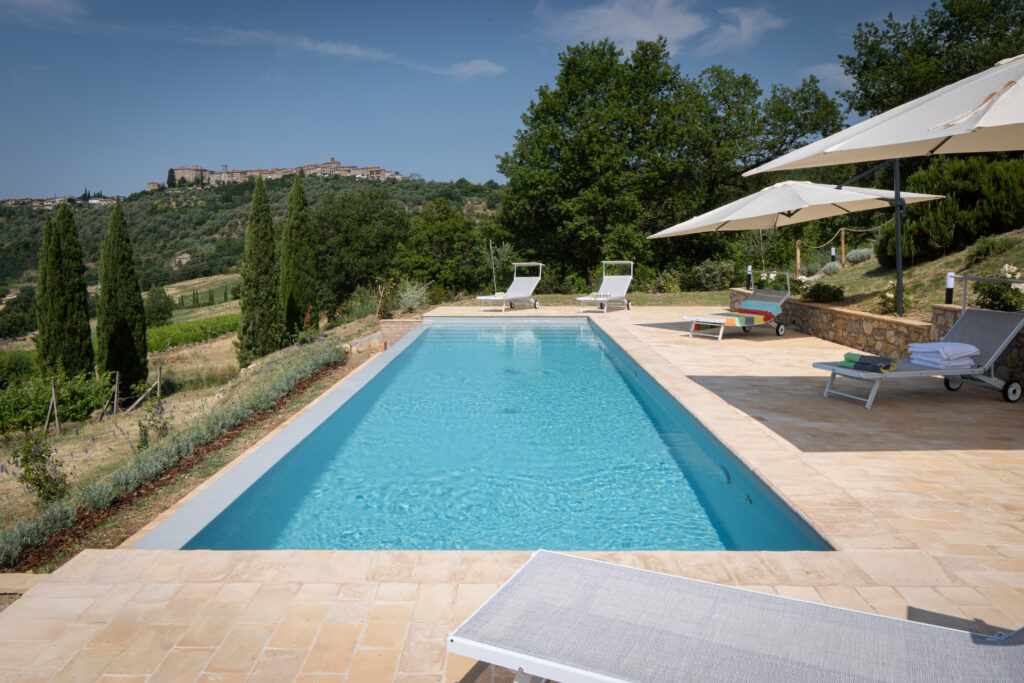

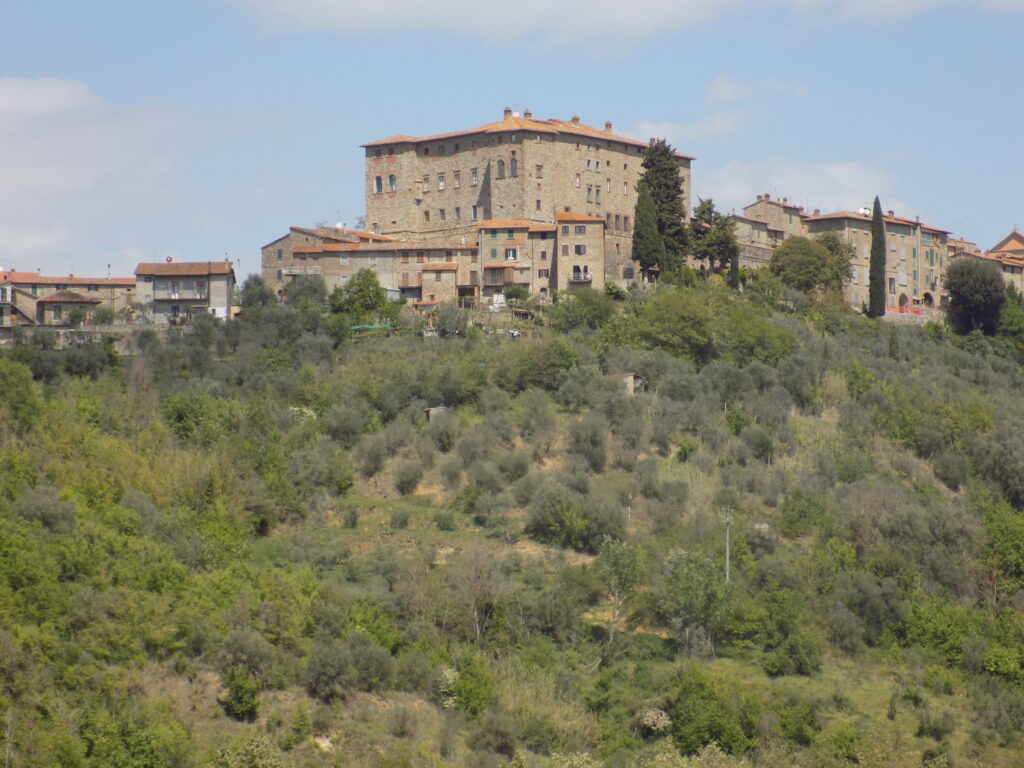
After the construction of the Rome-Florence railway (1875), which crosses the valley, a settlement called Fabro Scalo developed around the train station. In 1963, the construction of the A1 highway with an exit at Fabro Scalo promoted its growth as a residential area and a hub for public services and commercial businesses, benefiting the surrounding hill towns: Fabro, Ficulle, Parrano, Montegabbione, Monteleone d’Orvieto, and Carnaiola. Therefore, within a few hundred meters in Fabro Scalo, you’ll find: two banks, a post office, a pharmacy, two supermarkets, mechanical and body shops, sports fields, travel and service agencies.
In daily life, a small country town retains aspects now lost in urban areas, such as the presence of small grocery stores with genuine products from the surrounding area, which, for freshness, variety, and unique flavors, are different from the necessarily uniform products offered by supermarkets. In the center of Fabro Scalo, parking is never a problem, and within a hundred meters you’ll find: a bakery that offers still-warm bread in the morning, along with traditional ring-shaped cookies, tarts, and cakes; a grocery store with cheeses and cured meats produced nearby; a greengrocer, who, by sourcing daily from local producers, can offer the freshest fruits and vegetables; a butcher selling the famous Chianina beef. Murogrosso has a shop at No. 65 via Nazionale, which offers its own products alongside those of other nearby farms.
The station on the Rome-Florence railway line offers Fabro’s guests the chance to take day trips to Rome and Florence. Regional trains can reach the center of both cities in two hours, which would be virtually impossible by car.
The highway (A1) and the historic Umbro-Casentinese state road (SS71) are major routes for travel by car. Orvieto and Perugia are only a few dozen kilometers away from Fabro, as are many other towns of historical, monumental, archaeological, or scenic interest in Umbria and Tuscany, such as Città della Pieve, Montepulciano, Pienza, San Quirico d’Orcia, San Casciano dei Bagni, and many other fascinating but lesser-known destinations.
Lake Trasimeno is 40 km from Fabro. Around the lake, worth visiting are: Castiglione del Lago, on a promontory that juts into the lake; Tuoro on the northern shore, from where you can take a ferry to Isola Maggiore; Panicale, on the hills surrounding the lake to the south. Panicale is an ancient village enclosed by elliptical walls, with several palaces, a thirteenth-century church, and a delightful baroque theater.
The landscape around Fabro is mainly agricultural and wooded. Heading east from Fabro toward Marsciano (60 km along provincial road SP58), you’ll cross an uninhabited region and a series of woodlands. In the other direction, a little-known but scenically interesting route (SP108) goes from the historic center of Fabro through an area of badlands, along the top of steep clay cliffs, and then, in a distinctly different natural landscape, the high-forest plateau of the Monte Rufeno Nature Reserve, reaching Trevinano and Acquapendente (32 km).
Along the provincial road to Parrano (SP52) (a small, well-preserved historic center), just four kilometers from the Murogrosso Winery, there is a thermal spring of sulfurous water in a solitary valley, at the edge of a gorge whose steep rocky walls feature prehistoric caves (which can be visited with a guide) called the Tane del Diavolo (Devil’s Dens): a unique place for its wooded scenery and solitude. There is a rustic café and a small pool where you can bathe in the warm sulfurous waters.