


Wines

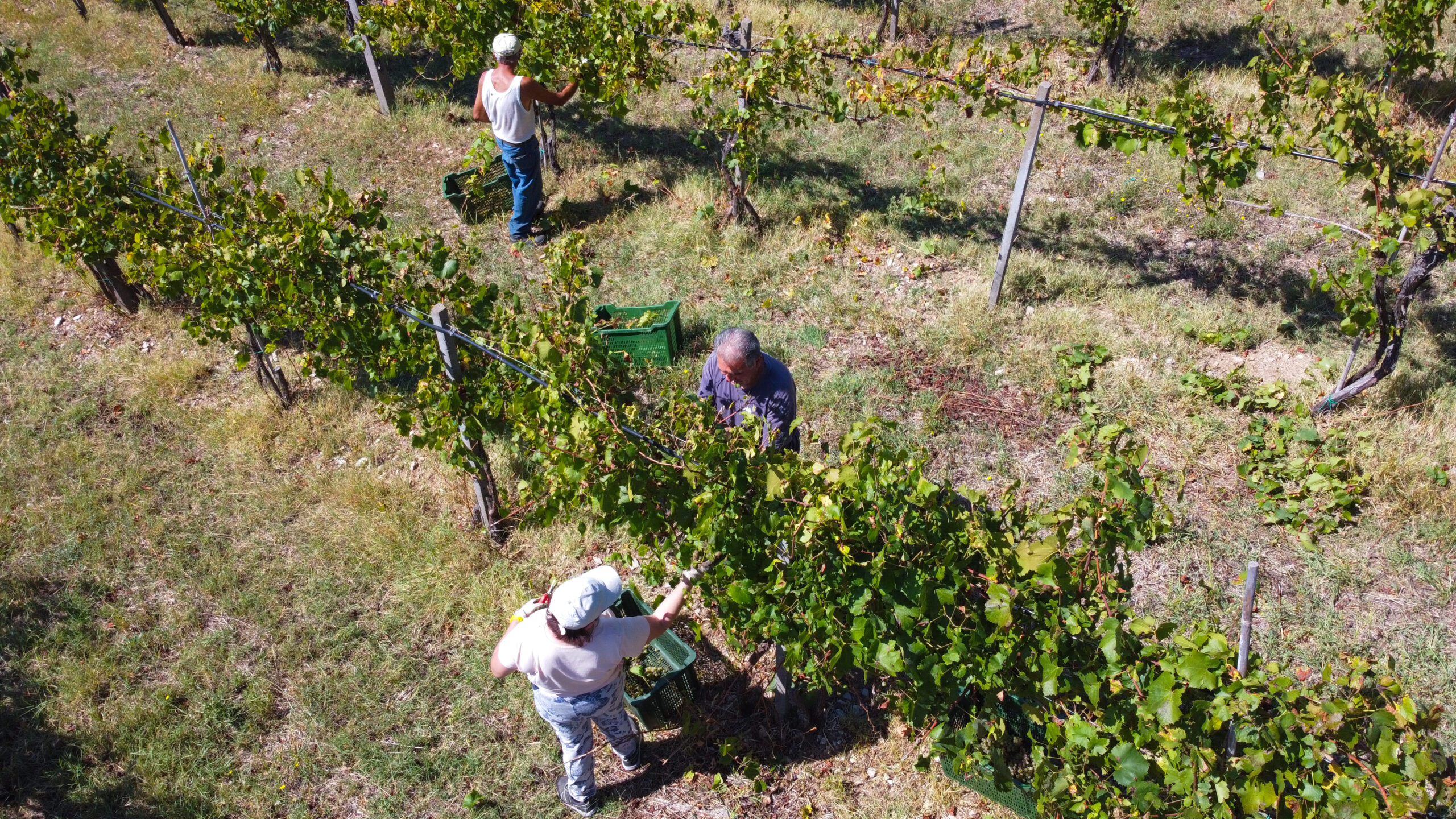
The strong family bond to Umbrian agricultural traditions led to the decision in 1998 to start producing wine using a portion of the grapes grown on the estate. The pursuit of high-quality wines has guided the entire production process, from the selection of grape varieties and types of vine training in different soils according to their exposure and environmental and agronomic characteristics, to the methods of vineyard management and treatment, manual harvesting, pressing, care, maturation, and refining of the musts.All work is carried out exclusively by the company’s own employees, who are devoted to their work and have long-standing ties to the business, under the guidance of a young winemaker, Dr. Massimo Bartolini. The quality achieved in the products is confirmed by the steady increase in sales and by the positive reviews received at various comparative events, such as the recent silver medal awarded to Vermentino at the 2022 and 2023 national Fiano Castello Prize. From the very beginning, the approach to white grape vinification has focused on enhancing native varieties suited to the agronomic characteristics of the land.
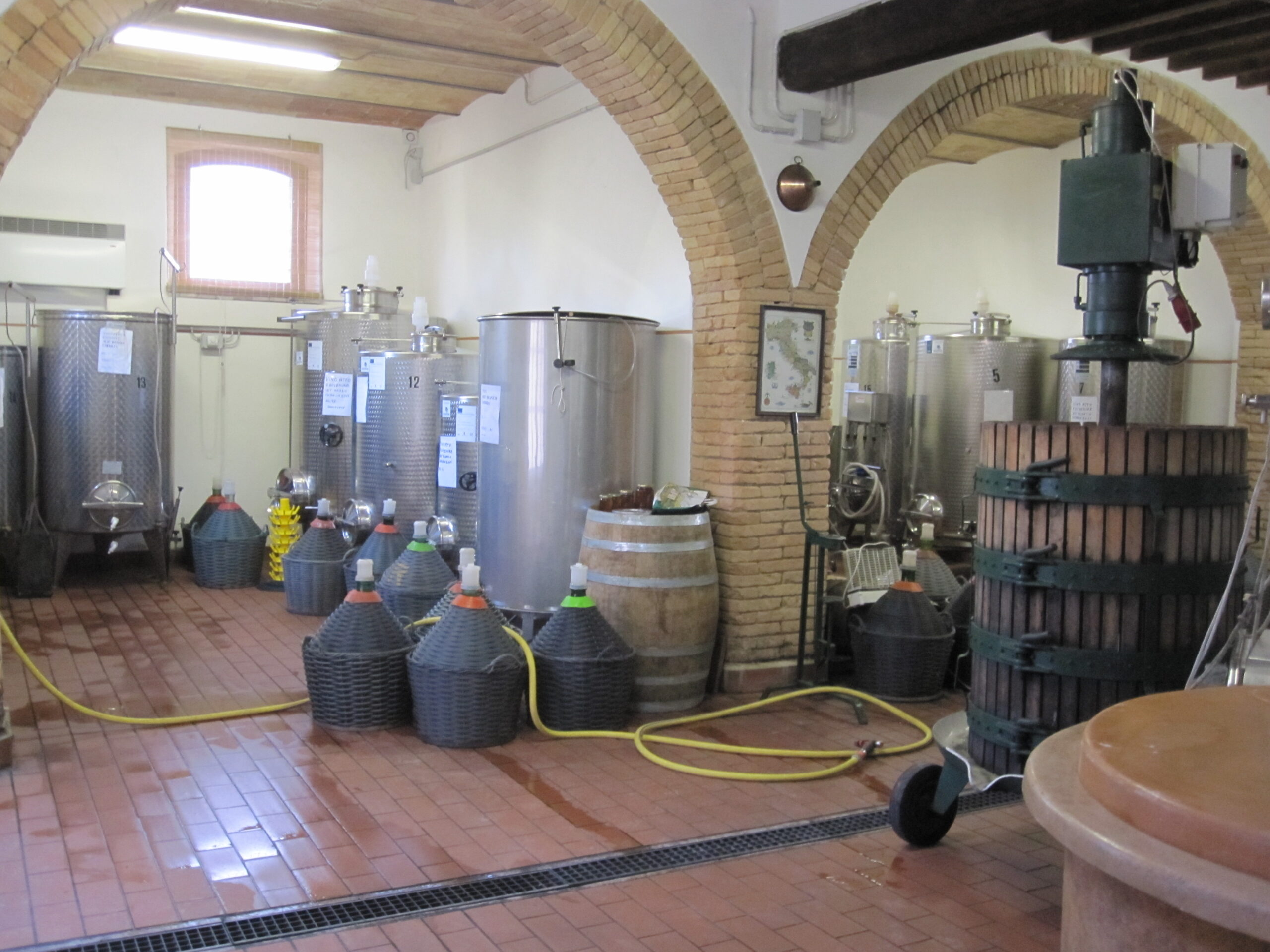
The wines produced today are the result of over twenty years of research and experience, as well as meticulous care of the vineyards and investments made in winery equipment.
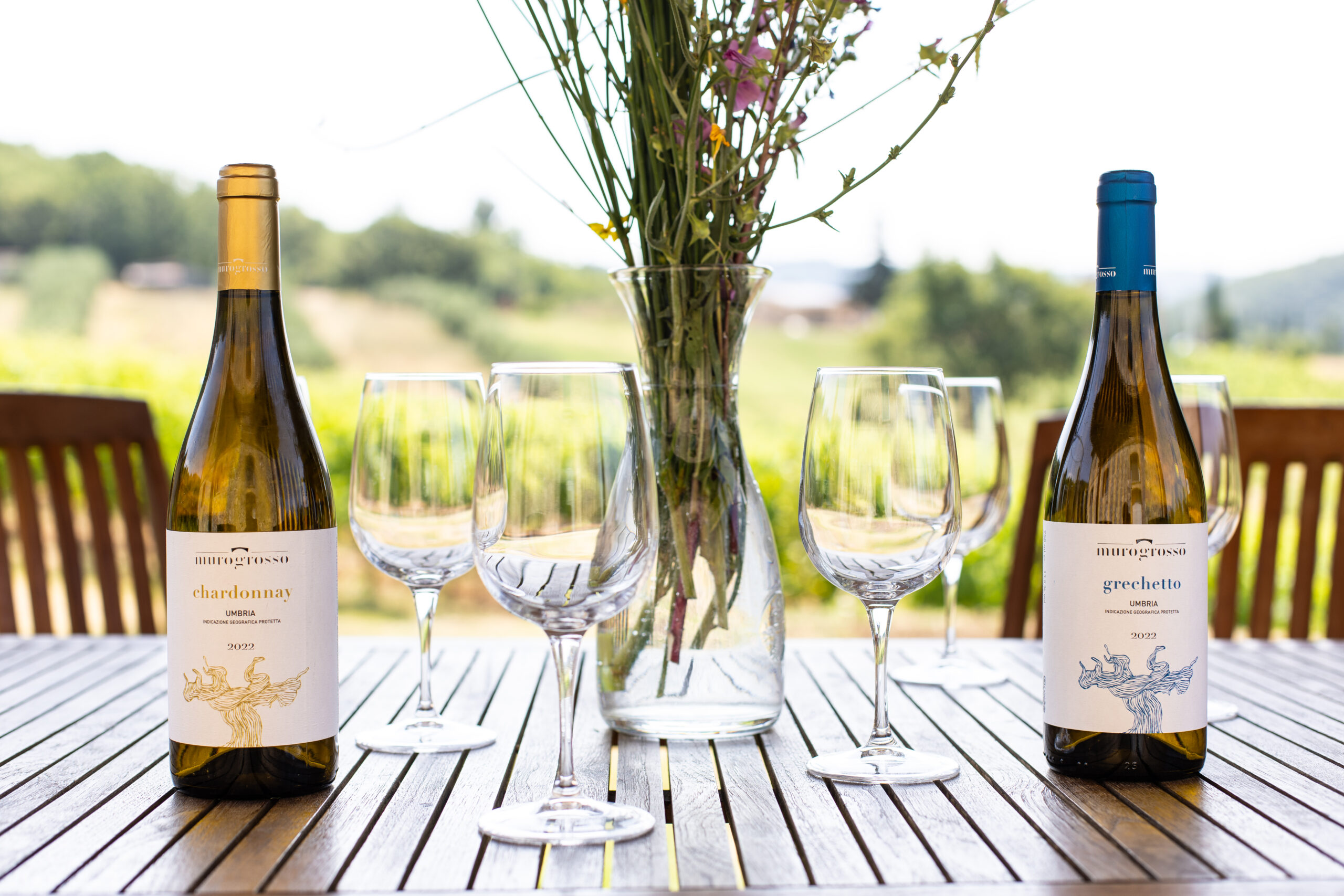
Currently, three distinct wines are bottled annually in purity from the vinification of white grapes: Grechetto, Chardonnay, and Vermentino. By adding other native grape varieties included in the Orvieto regulations (Trebbiano, Malvasia, Verdello, Grechetto, and Drupeccio), an IGT Umbria Bianco wine is also produced, sold in various packaging options.
fill the form for info and purchases


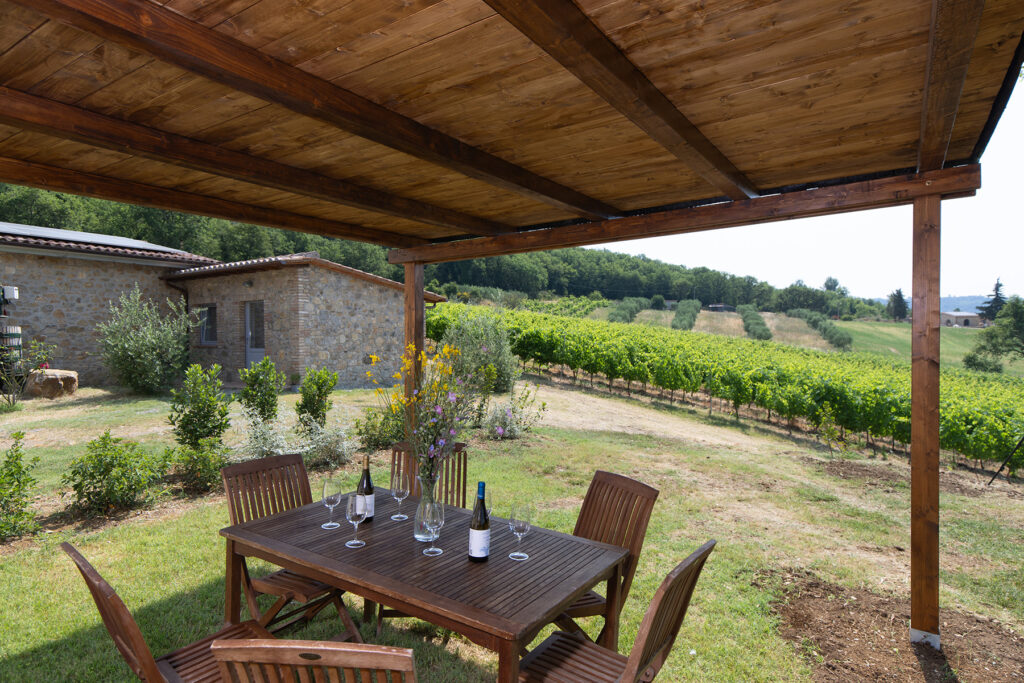

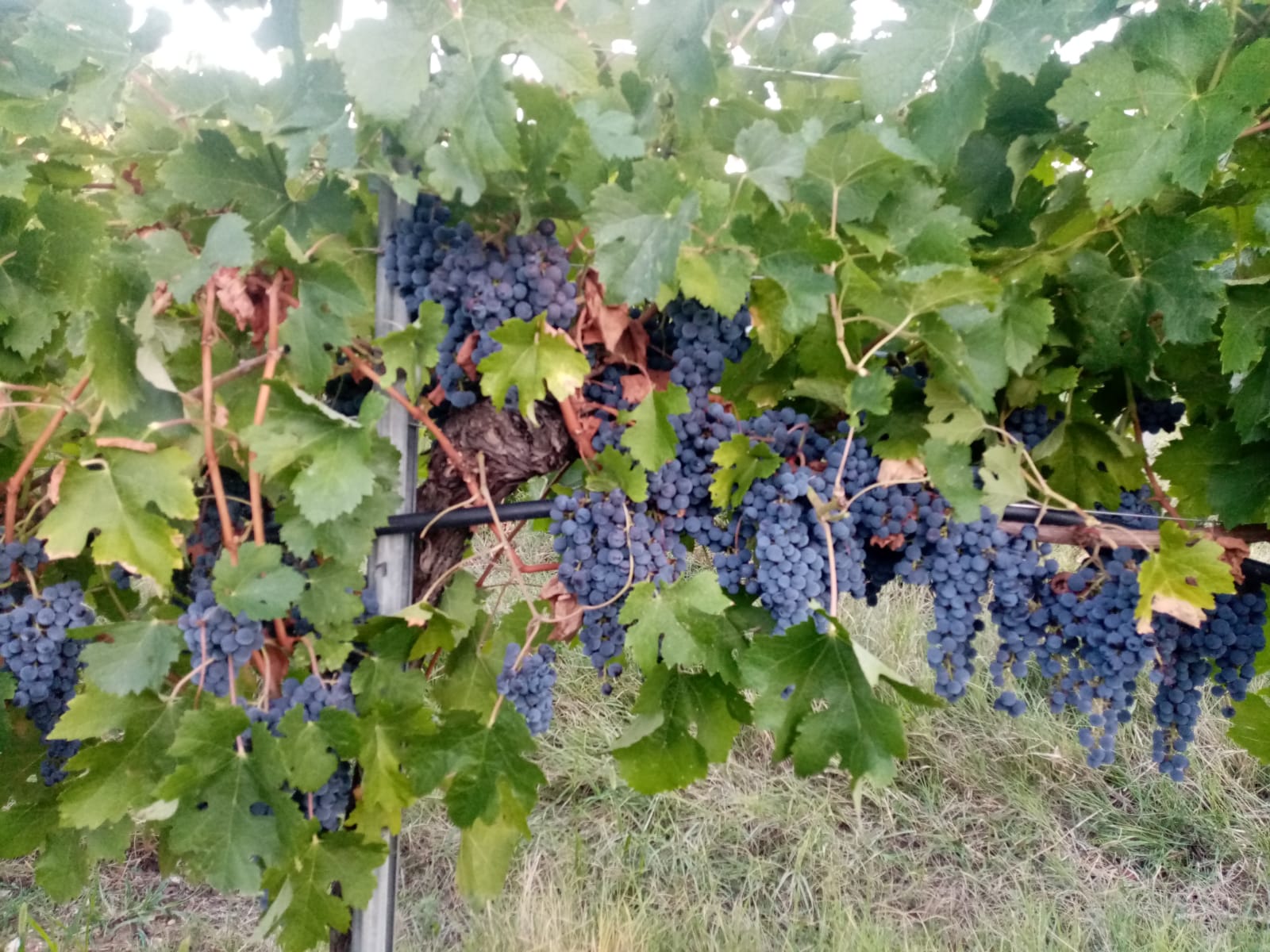
In the Orvieto area, red grape vineyards are not widespread, more due to tradition than actual agronomic or environmental reasons. Fabro is just a few kilometers from the southern border of Tuscany, and the geological, morphological, soil, and agronomic characteristics of its hilly terrain are no different from those found in the province of Siena: just 13 km away, Chianti dei Colli Senesi DOC is produced.
These considerations guided the choices made for planting red grape vines on the estate’s land. It was precisely the absence of a red wine regulation for the Orvieto area that led the company to also choose less common grape varieties in Umbria, which were nevertheless considered suitable for the agronomic characteristics of the estate’s land.
Therefore, from the outset, a young red wine called Cinabrino was produced from Sangiovese and Cabernet Franc grapes, which is aged for several months in steel containers and bottled at the beginning of the summer following harvest. It is the ideal complement to the traditional cuisine of central Italy, particularly Umbrian and Tuscan.
By combining Sangiovese Grosso (Prugnolo Gentile), Cabernet Sauvignon, and Merlot grapes, a mature wine is created, aged after fermentation for about 18 months in oak barrels and then further refined for 6 months in the bottle. This wine pairs well with red meat dishes, especially roasted meats.

White wines
IGT UMBRIA BIANCO “GRECHETTO”
| Grapes | 100% Grechetto |
| Production area | Fabro, Umbria IGP |
| Vineyard surface area: | 2.70 ha |
| Vineyard altitude | 270 m a.s.l. |
| Training system | Guyot |
| Plant density | 4200 vines per hectare |
| Production per Ha | 70 quintals |
| Yield of grapes into wine | 60% |
| Harvest period | Second ten days of September |
| Vinification system | Pre-fermentative cryomaceration at 8°C for 6 hours |
| Alcoholic fermentation | In stainless steel at 14-15°C |
| Malolactic fermentation | Not performed |
| Ageing | In steel for 4-5 months and then in bottle for 3 months |
Vinification : The grapes, harvested entirely by hand and collected intact in crates, are immediately introduced into the pneumatic press with the addition of dry ice to prevent oxidation of aromatic precursors. This is followed by cryomaceration at 8°C for 6 hours, after which gentle crushing and destemming take place, decantation and subsequent racking, always keeping the must at a low temperature; when the mass has reached 13-14°C, yeast is inoculated to start the alcoholic fermentation, which occurs at a controlled temperature (14-15°C).
Ageing : The maturation period continues in steel vats for 4-5 months. Pairings : Its complexity and harmony between freshness and smoothness allow for various pairings throughout a meal, starting with fish-based starters, vegetable first courses, fresh cheeses, and baked fish. Excellent with maltagliati pasta with cuttlefish ink, lobster and fresh cherry tomatoes, simply seasoned with a fruity extra virgin olive oil.
It is recommended to serve it chilled, at a temperature of 11 – 12°C.
Colour : bright straw yellow with greenish reflections
Aroma : Complex, intense and persistent, very fruity with notes of apple, pear and tropical fruit such as pineapple and banana.
Taste : fresh with excellent balance between structure and acidity, endowed with long intensity and persistence.
IGT UMBRIA BIANCO “CHARDONNAY”
| Grapes | 100% Chardonnay |
| Production area | Fabro, Umbria IGP |
| Vineyard surface area: | 2.06 ha |
| Vineyard altitude | 270 m a.s.l. |
| Training system | Guyot |
| Plant density | 4000 vines per hectare |
| Production per Ha | 80 quintals |
| Yield of grapes into wine | 60% |
| Harvest period | First ten days of September |
| Vinification system | Pre-fermentative cryomaceration at 8°C for 12 hoursCrio-macerazione pre-fermentativa a 8°C per 12 ore |
| Alcoholic fermentation | In stainless steel a 14-15°C |
| Malolactic fermentation | Not performed |
| Ageing | In steel for 4-5 months and then in bottle for 3 months |
Vinification : The grapes, harvested entirely by hand and collected intact in crates, are immediately introduced into the pneumatic press with the addition of dry ice to prevent oxidation of aromatic precursors. This is followed by cryomaceration at 8°C for 12 hours, after which gentle crushing and destemming take place, decantation and subsequent racking, always keeping the must at a low temperature; when the mass has reached 13-14°C, yeast is inoculated to start the alcoholic fermentation, which occurs at a controlled temperature (14-15°C).
Ageing : The maturation period continues in steel vats for 4-5 months.
Pairings : It pairs well with fish dishes and is also enjoyable with various combinations from traditional Umbrian cuisine. It is recommended to serve it chilled, at a temperature of 11 – 12°C.
Colour : straw yellow
Aroma : intense and complex with notes of acacia flowers and fresh fruit.
Taste : savoury, persistent, structured, intense and fresh.
IGT UMBRIA BIANCO “VERMENTINO”
| Grapes | 100% Vermentino |
| Production area | Fabro, Umbria IGP |
| Vineyard surface area: | 0.61 ha |
| Vineyard altitude | 270 m a.s.l. |
| Training system | Guyot |
| Plant density | 4200 vines per hectare |
| Production per Ha | 70 quintals |
| Yield of grapes into wine | 60% |
| Harvest period | Third decade of September |
| Vinification system | Pre-fermentative cryomaceration at 8 ° C for 12 hours in the press |
| Alcoholic fermentation | In stainless steel at 14-15 ° C |
| Malolactic fermentation | Not carried out |
| Ageing | In stainless steel containers for 4-5 months, then in bottle for about 3 months |
Vinification: The grapes harvested entirely by hand in form intact are placed delicately in boxes and immediately introduced into the pneumatic press, with the addition of dry ice, to avoid oxidation of the aromatic precursors. The cryo- maceration at 8 °C for 12 hours follows, after which one proceeds with a very soft crushing-destemming, decanting and subsequent blasting, ensuring the must is remains at low temperature; when the mass has reached 13-14 degrees, the inoculation of the yeasts is carried out to start the alcoholic fermentation, which takes place at a controlled temperature (14-15 ° C).
Aging: The maturing continues in steel tanks for about 4-5 months.
Pairing: ideal to combine with a warm octopus and potato salad seasoned with parsley and an extra virgin olive oil, it couples well with pasta or rice first courses with delicate fish and vegetable based dressings. It is recommended to serve fresh, at a temperature of 11-12 ° C.
Color: bright straw yellow with golden reflections
Perfume: this Vermentino offers floral and citrus aromas, with a characterizing note given by the olfactory typical of well-ripe grapes with crisp and golden skin, due to the exposure of the bunches to the sun in the last 20 days of ripening before harvest
Taste: In the mouth, it is perfectly balanced with the sensations we had perceived in its fragrances and is endowed with a pleasant freshness.
Red Wines
IGT UMBRIA ROSSO ”CINABRINO”
| Grapes | 100% Sangiovese Grosso (Prugnolo Gentile) |
| Production area | Fabro, Umbria IGP |
| Vineyard surface area: | 1.52 ha |
| Vineyard altitude | 290 m a.s.l. |
| Training system | Guyot |
| Plant density | 4200 vines per hectare |
| Production per Ha | 60 quintals |
| Yield of grapes into wine | 55% |
| Harvest period | Third ten days of September |
| Vinification system | Pre-fermentation cryomaceration at 10°C for 48 hours |
| Alcoholic fermentation | In stainless steel at 23–24°C |
| Malolactic fermentation | Carried out in stainless steel |
| Ageing | In stainless steel for 8–10 months and then in bottle for 2–3 months |
Vinification : The grapes are harvested entirely by hand in crates and are very gently crushed and
destemmed. Before fermentation, the must with the skins undergoes a process of cryomaceration in tank for 48 hours at a temperature of 10°C. This is followed by controlled fermentation at a temperature of 23–24°C with maceration on the skins for a period of 20 days.
Ageing : After alcoholic fermentation, malolactic fermentation follows, again in stainless steel. Ageing on the fine lees for 8–10 months, followed by a further 2–3 months in bottle.
Pairings : this wine is the ideal accompaniment for traditional Italian cuisine. It is advisable to decant it for a few minutes before serving at a temperature of around 18°C.
Colour : ruby red with violet reflections.
Aroma : stands out for its notes of fresh fruit, cherry, with spicy hints that blend together with great balance and elegance.
Taste : enveloping, silky, with soft tannins and a rich, persistent finish.
IGT UMBRIA ROSSO ”Tana del Diavolo”
| Grapes | Sangiovese, Merlot and Cabernet Sauvignon |
| Production area | Fabro, Umbria IGP |
| Vineyard surface area: | 2.20 ha |
| Vineyard altitude | 300 m a.s.l. |
| Training system | Spurred cordon |
| Plant density | 4200 vines per hectare |
| Production per Ha | 50 quintals |
| Yield of grapes into wine | 55% |
| Harvest period | Merlot: 1st ten days of September; Sangiovese and Cabernet Sauvignon: 2nd ten days of September |
| Vinification system | Pre-fermentation cryomaceration at 10°C for 48 hours |
| Alcoholic fermentation | In stainless steel at 23–24°C |
| Malolactic fermentation | Carried out in barriques |
| Ageing | In stainless steel for 8–10 months and then in bottle for 2–3 months |
Vinification : The grapes are harvested entirely by hand in crates and are very gently crushed and
destemmed. The alcoholic fermentation of the three grape varieties is carried out separately. Before
fermentation, the must with the skins undergoes a process of cryomaceration in tank for 48 hours at a
temperature of 10°C. This is followed by controlled fermentation at a temperature of 23–24°C with
maceration on the skins for a period of 22–24 days.
Ageing : The wine is left to rest in French oak barriques for a period of 12–18 months. The malolactic
fermentation is carried out entirely in barriques. After bottling, the wine continues to age in the bottle for a further 5–6 months.
Pairings : This wine pairs well with red meats, especially roasted. It is advisable to let it breathe and decant for a few minutes before serving at a temperature of 18°C.
Colour : deep ruby red with garnet reflections
Aroma : Aromas with a very broad spectrum in which delightful notes of cherry and small red fruits are
blended, with spicy hints combining with great balance and elegance.
Taste : on the palate soft and rounded, silky and harmonious, good structure and great persistence. Finish with hints of vanilla and ripe fruit